
Our Story
INTRODUCTION TO US
About DÙNÚWÀ
Where Culture Meets the Now
Some things are too beautiful to sit in a box.
DÙNÚWÀ was born from a simple but powerful act, taking a piece of aso oke handed down as a rite of passage, too precious to leave folded in a wardrobe but is not exactly the aesthetic of an 18 year old in 2016, therefore transforming it into something wearable, modern and alive. That moment became a blueprint. A belief that African fabrics such as aso oke, kampala, adire, batik, ankara, are not relics of the past. They are living, breathing expressions of who we are. Woven with history. Dyed with intention. Carried forward with pride.
We are a contemporary African fashion house founded in Ibadan, Nigeria. Our name comes from the Yoruba phrase Ìdùnú ewà meaning the joy of beauty. Everything we do is rooted in that meaning. Not just the beauty of how you look, but the beauty of knowing where you come from and having the confidence to carry it with you wherever you go.
What We Do
We take traditional African fabrics and transform them into modern, wearable designs for every occasion, from boardrooms in Lagos to dinners in London, weddings in New York to Sundays in Amsterdam. Every piece is designed and made in-house by our team in Ibadan, using fabrics sourced from local Nigerian weavers and artisans. When you wear DÙNÚWÀ, you are wearing something made by African hands, with African fabrics, for the world.
Our fabrics are not interchangeable aesthetics. Each one carries a story. Aso oke is hand-loomed by Yoruba artisans and has dressed generations at weddings and ceremonies. Adire is the result of a centuries-old conversation between hands and indigo. Kampala, batik and ankara each carry their own histories, their own communities, their own meaning. At DÙNÚWÀ we honour all of it and we wear it forward.
Who We Are For
DÙNÚWÀ was created for the culturally curious, people on a journey back to their roots, ready to wear their identity with confidence and joy. For the African woman who wants her culture in a form that fits the life she actually lives. For the man who refuses to reserve his heritage for special occasions only. For the diaspora carrying their roots across borders and time zones.
And for anyone, regardless of where they come from, who is drawn to culture, art, colour and the beauty of clothing that means something. If you appreciate the story behind what you wear, the hands that made it and the history it carries, then DÙNÚWÀ was made for you too.
We believe culture is not exclusive. It is an invitation. And we extend that invitation to everyone who approaches it with genuine curiosity and respect.
Our Promise
Every DÙNÚWÀ piece is intentional. Every fabric is chosen for what it means, not just how it looks. Every design is made to be worn, not stored, not saved for the right occasion, not explained away. Worn boldly, proudly and on your own terms.
This is not just fashion. This is identity, made wearable.
DÙNÚWÀ. Where culture meets the now.
- Where Culture meets the Now
- Made For The Modern Soul
- Intentional Fashion
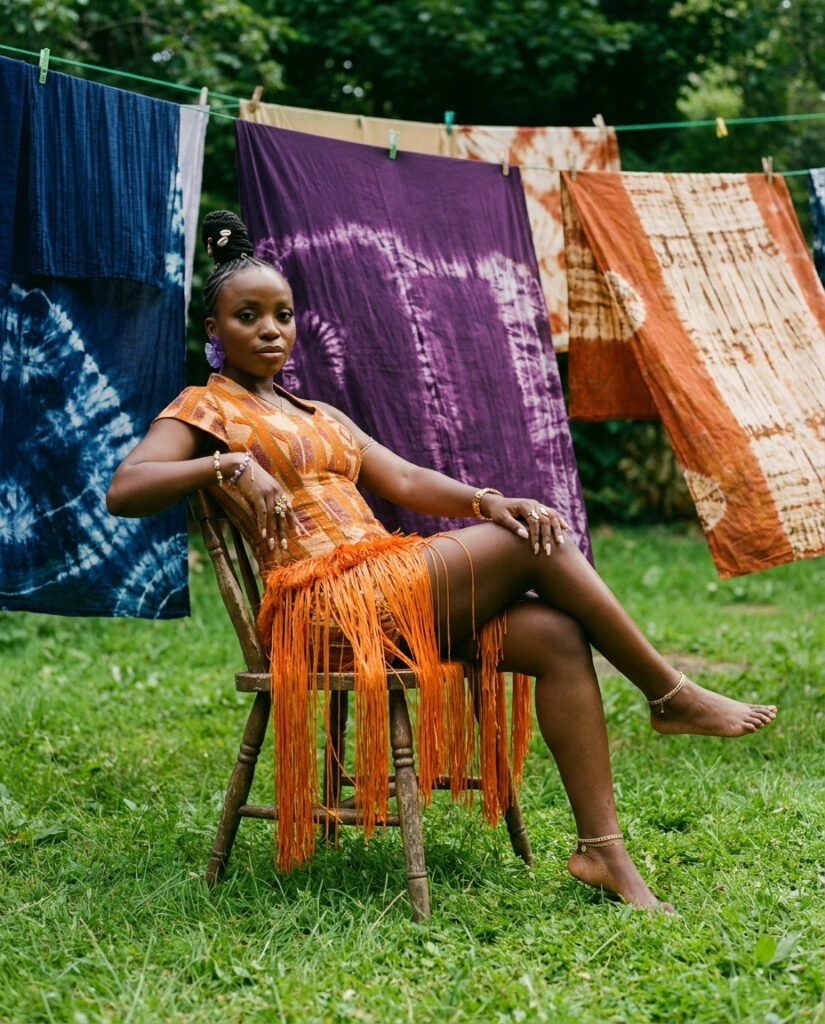
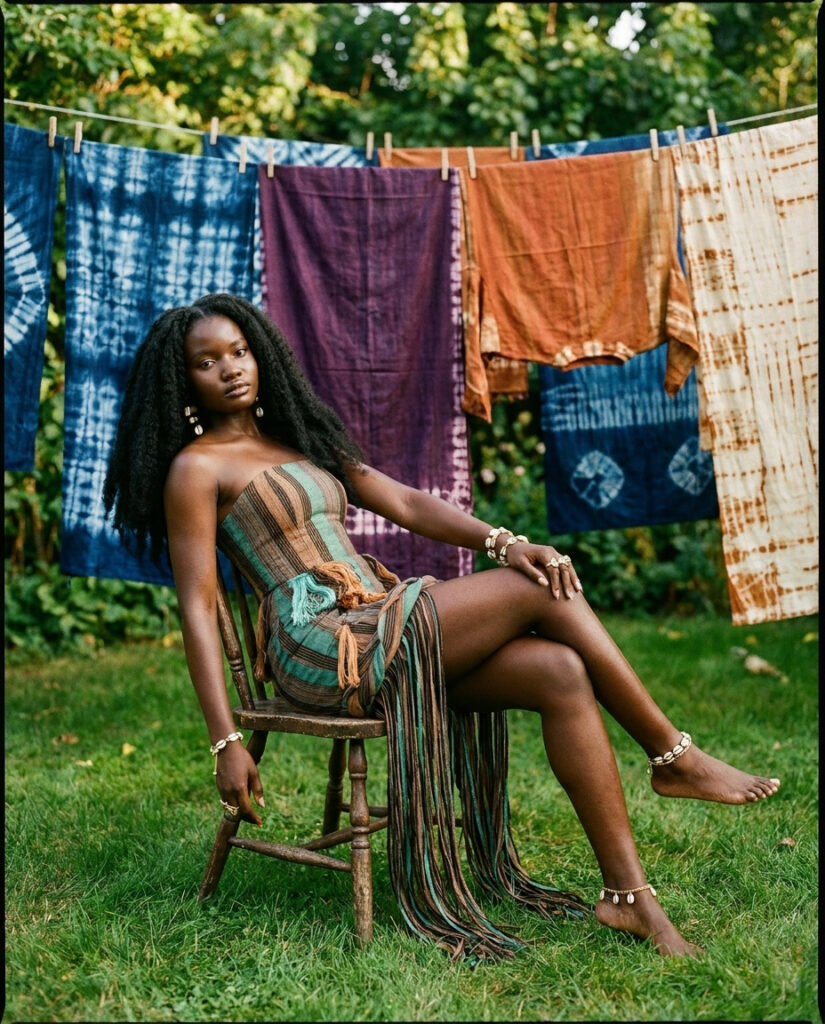
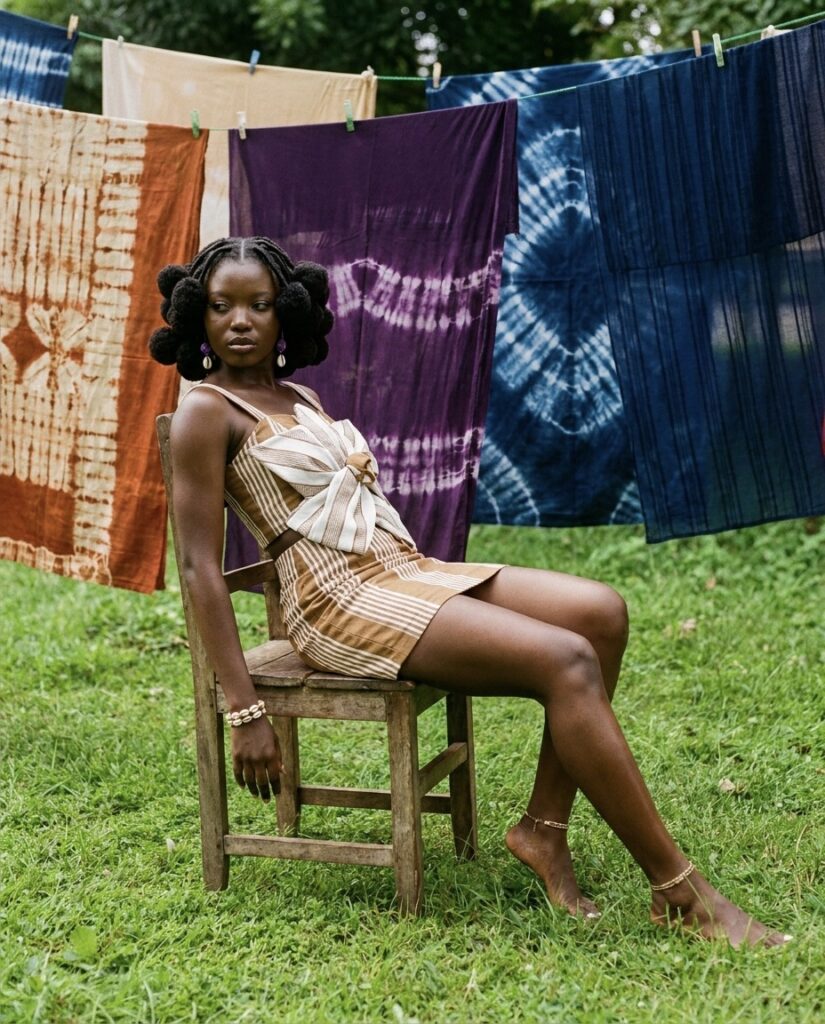
Our mission
To transform African fabrics — aso oke, kampala, adire, batik, ankara into contemporary designs that give the wearer the confidence to carry culture with them anywhere in the world, understand what it means, and feel joy doing it.
Our vision
A world where African heritage is not stored away but worn forward, where every piece of clothing can be a bridge between where you come from and where you are going, and where culture is celebrated not as a moment but as a way of life.
Our value
We are guided by cultural pride, wearing our roots with confidence and never apologising for who we are. We believe in living heritage, that aso oke, kampala, adire, batik and ankara are not relics but living expressions of identity meant to be worn forward. We design with intention, creating pieces that mean something beyond their appearance. We celebrate style as identity, beauty that comes from cultural confidence, not just aesthetics. We honour the craft. And we believe culture is an invitation, open to everyone who approaches it with genuine curiosity and respect.