
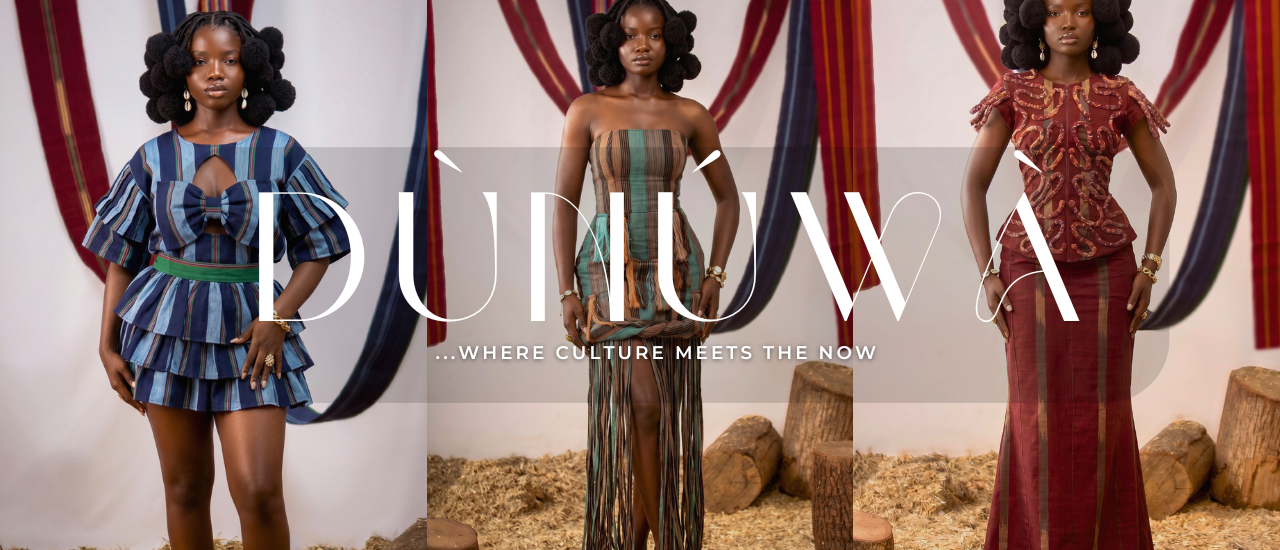
“Nobody plans to build a fashion house. Or at least, I didn’t. Mine started with leather, a lot of trial and error, and a sewing machine owned by my mother that we were absolutely forbidden to touch.“
It was 2016. I was a fresher at the University of Ibadan. Asides, being bored, I knew I wanted to make money, but I also didn’t think I had any skill profitable enough to work with alongside school. I mostly spent my free time dancing at Love Garden, learning new choreography and styles, which I also loved and was very much dedicated to. Then one day, on one of those afternoons at Love Garden, I found a flier on the floor that caught my eye. A skill acquisition training holding in a few weeks, just a two-minute walk from the campus main gate, It felt like God had been listening to my thoughts.
The plan was to acquire the necessary skills and see how that goes, I had no grand vision for what that would become. I just liked making things and wanted to make some side money. There was just something satisfying about starting with raw material and ending up with something someone can actually wear and for a while, that was the whole story.
But if I’m being honest, that got boring fast as well.
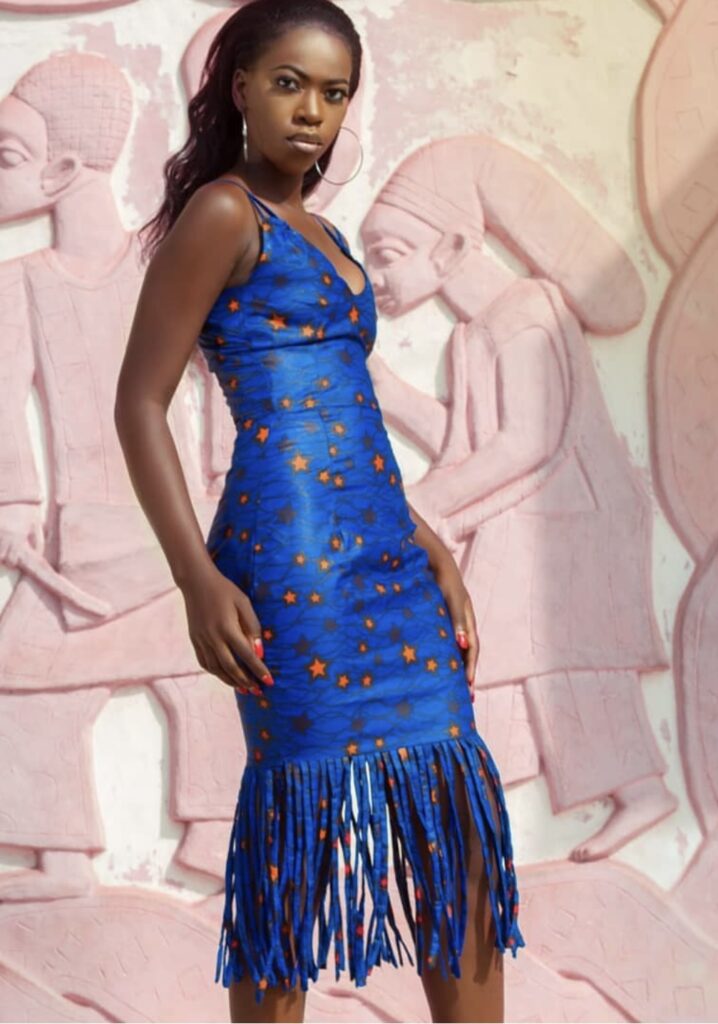
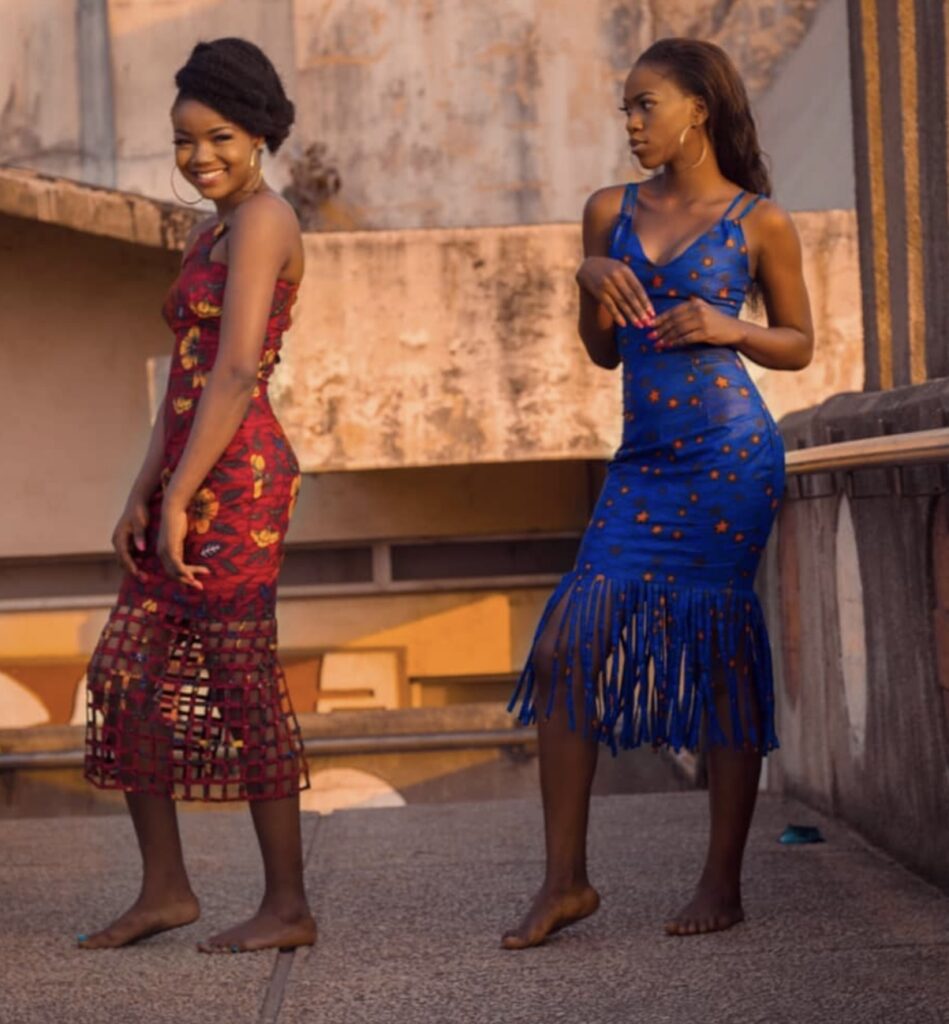
So I did what everyone does when they’re bored, I started adding things that probably didn’t need to be added. Ankara, specifically. I started covering parts of the leather with it. Just to make it more interesting. Just because I could. And something happened that I did not fully anticipate: people liked it. A lot. And then they started asking questions. Do you make dresses? Can you make something to go with this bag? What about shorts? A top?
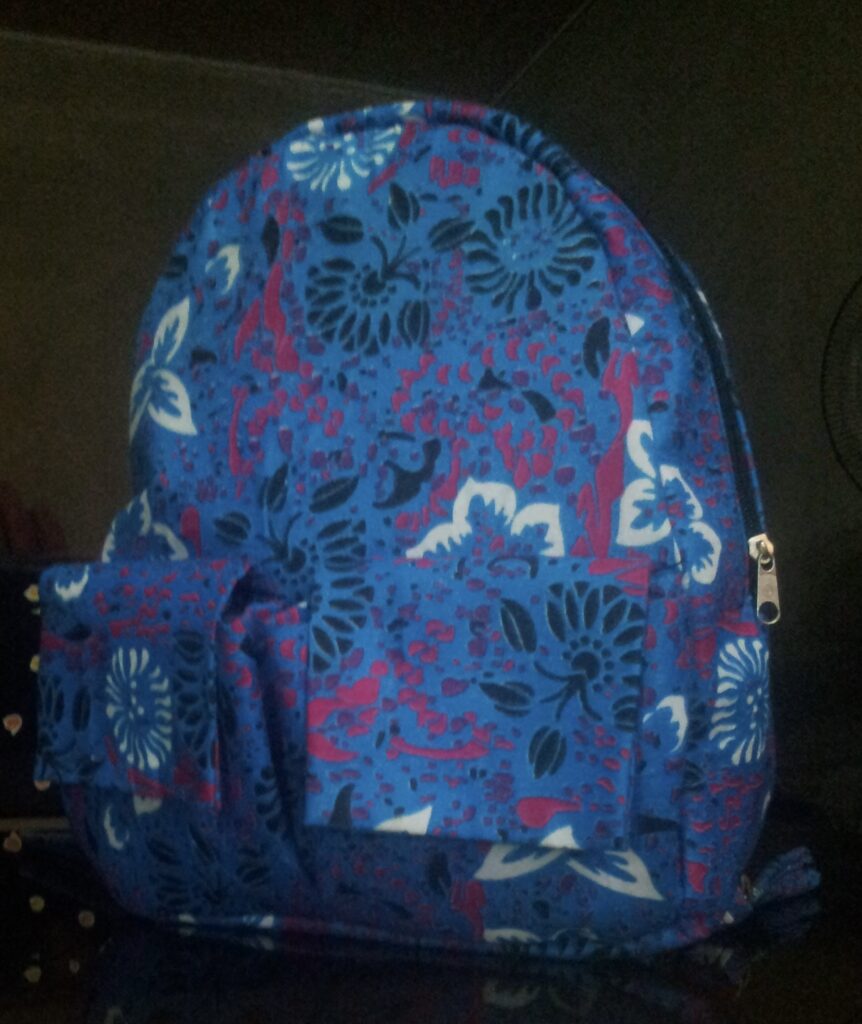
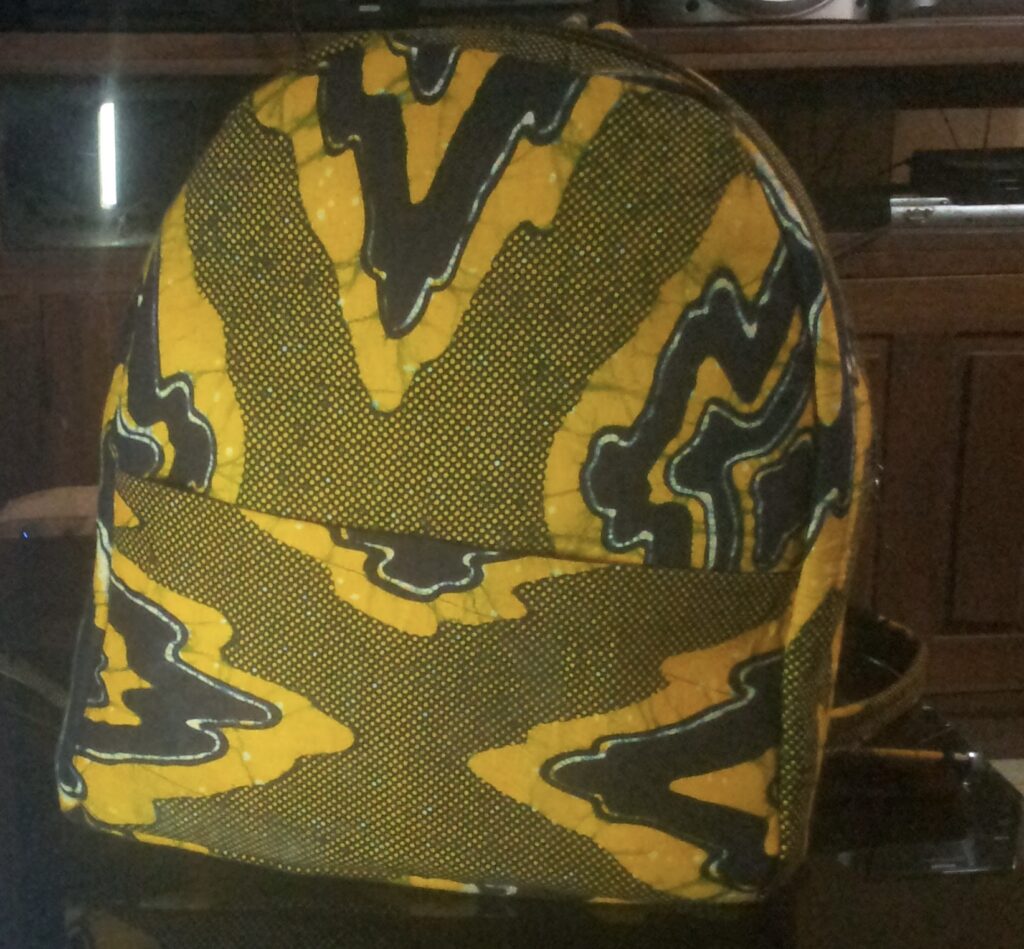
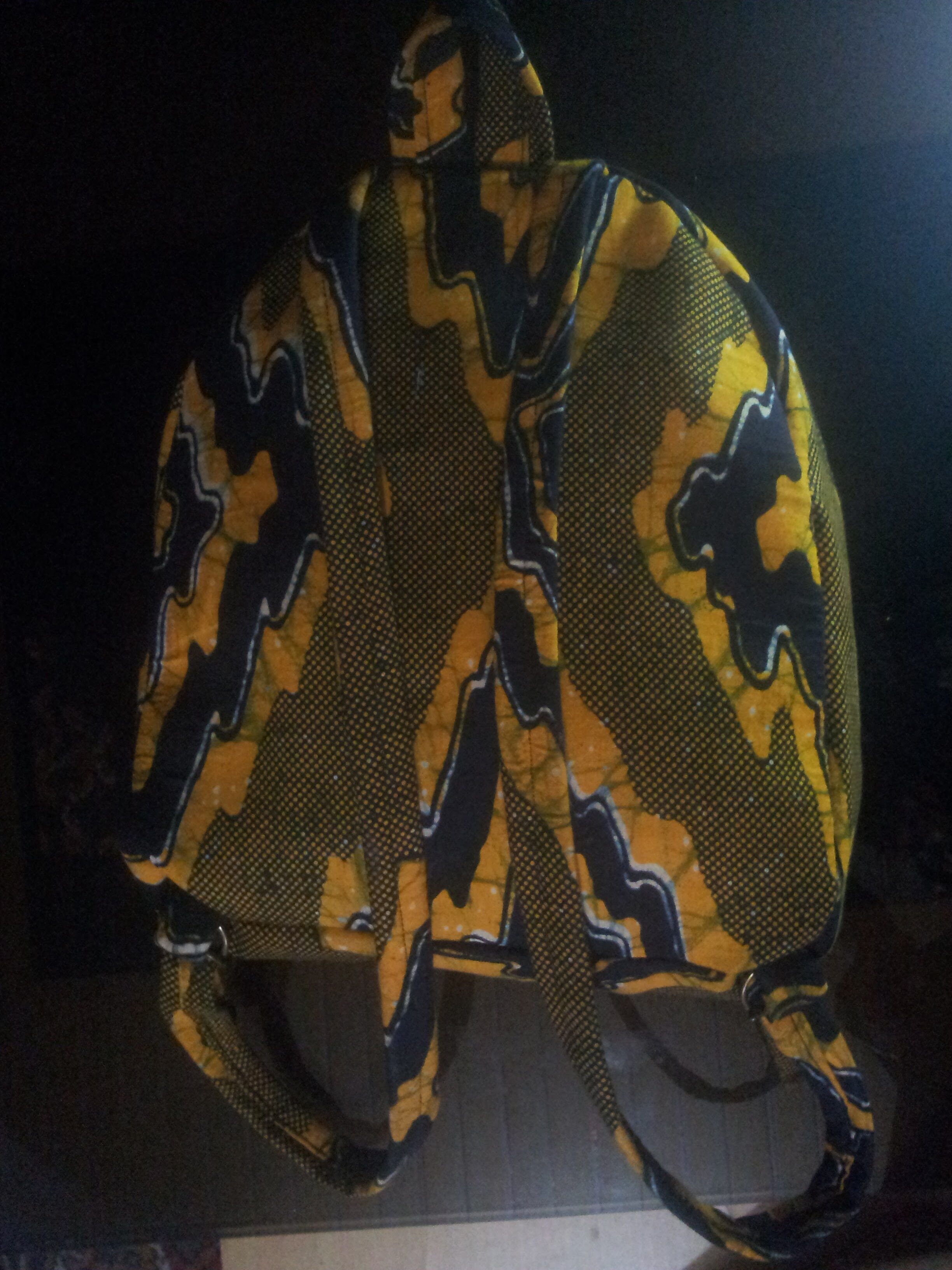
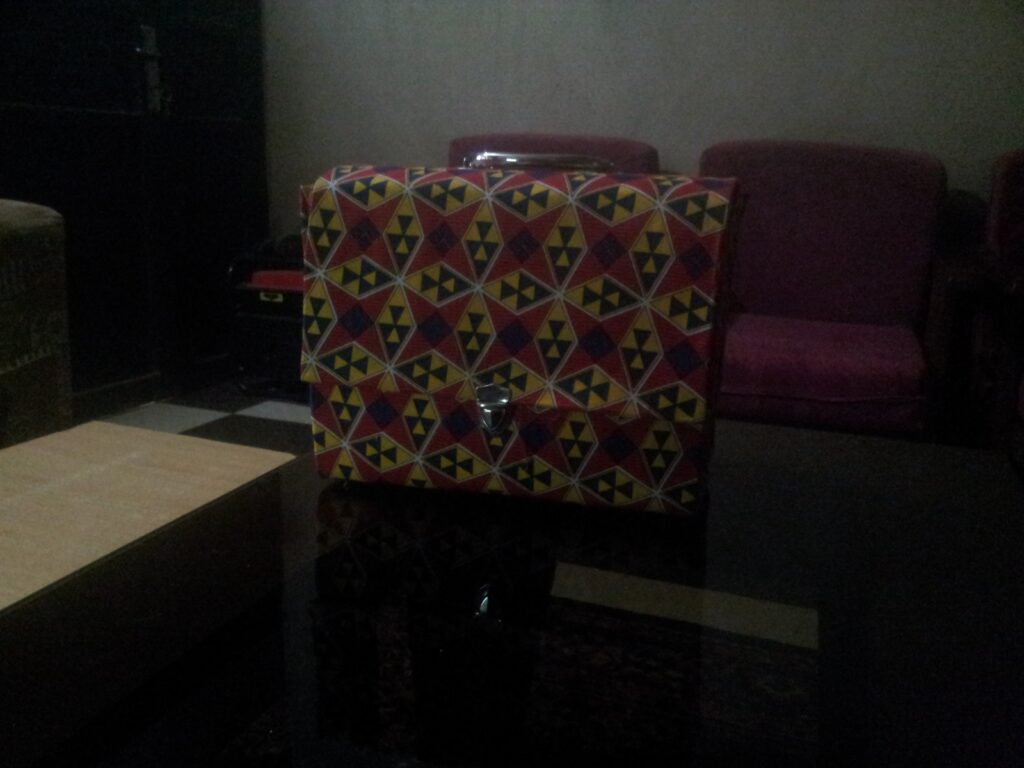
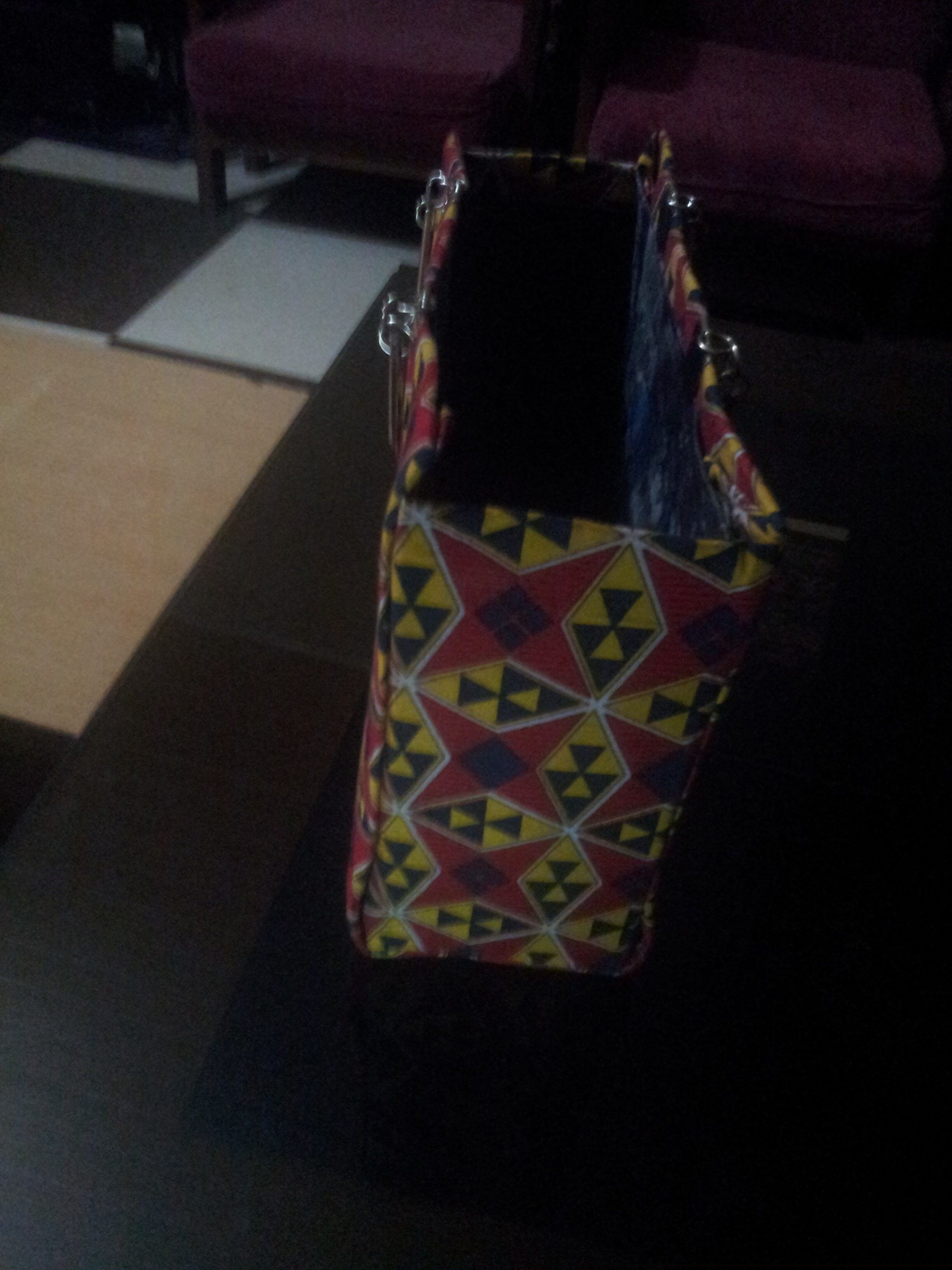
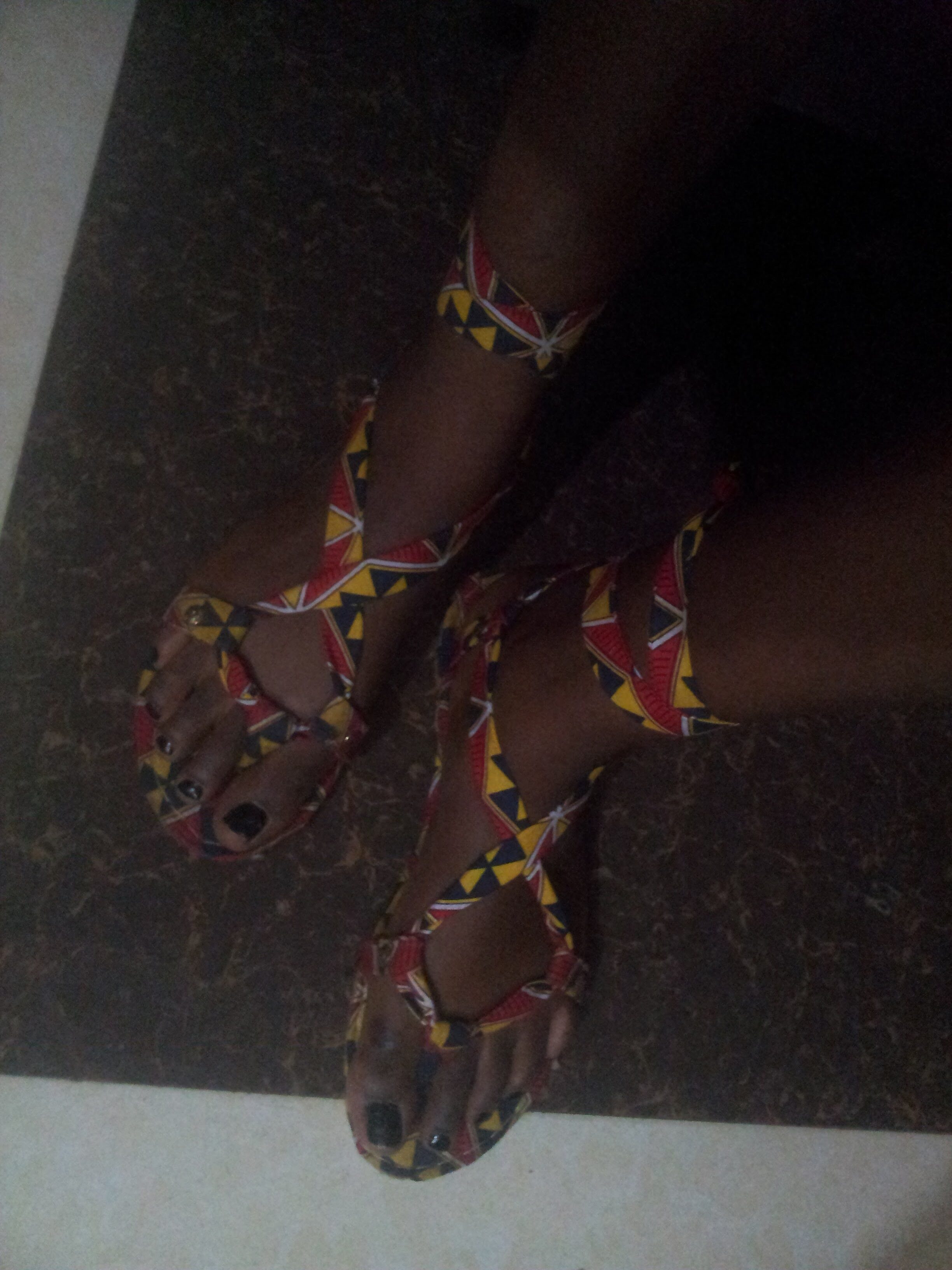
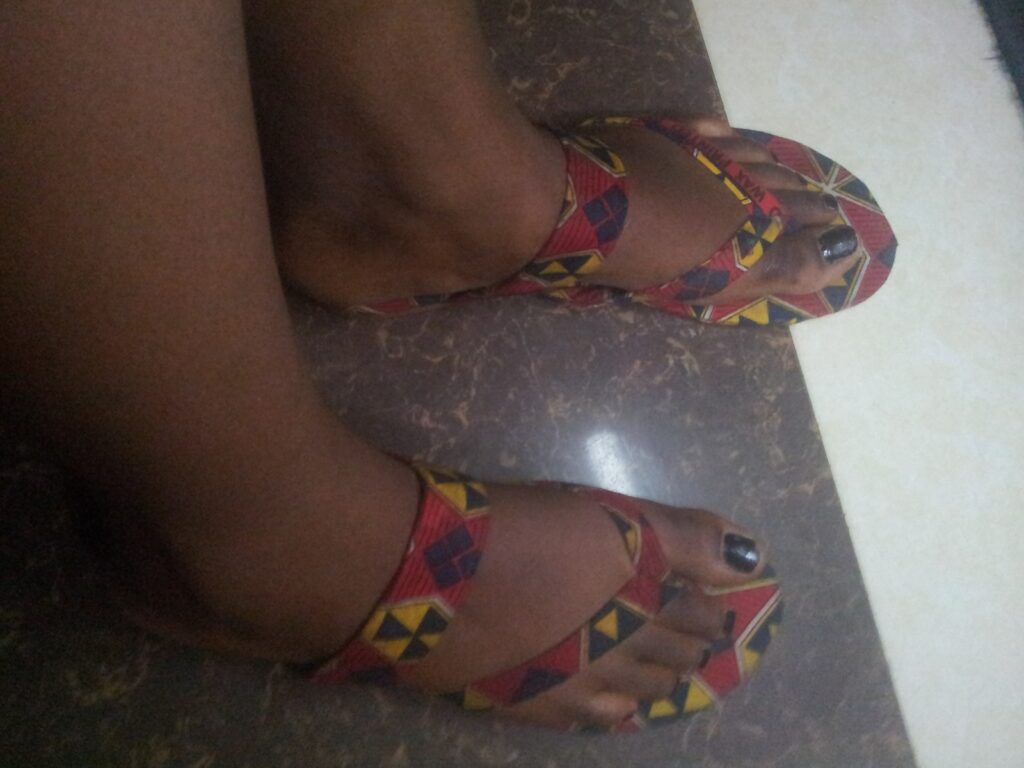
Every single time, my answer was a very confident, very dishonest “let me get back to you on that.” Because the truth was, I had no idea how to sew clothing. None. My entire tailoring education at that point consisted of making dresses for my dolls with a needle, thread and rags. Which I was excellent at, by the way. The dolls were very well dressed. But a human being with proportions and opinions is a different situation entirely. There was also the matter of my mother’s sewing machine. It lived in the house. We knew it was there. We also knew, with absolute clarity, that touching it came with consequences. The kind of consequences you don’t forget easily, if you know, you know. So we didn’t touch it. We looked at it sometimes. We thought about it, but never dared to do more than that.
The requests kept coming. And at some point, I had to make a decision: keep saying “let me get back to you” forever, or actually learn what I was pretending to know.
I chose to learn.
And that was the moment everything changed in a way I was completely unprepared for.
Because when you step properly into the world of fashion design, you realise it is not a room. It is an entire universe. There are no walls. There is no ceiling. There is just idea after idea after idea, and skills you haven’t developed yet, and possibilities that multiply the more you understand. I went in looking for a tailoring class and came out completely side-tracked by everything fashion could be. The shoes and bags quietly stopped being the main thing. I had too many ideas and not enough hours, and the clothing kept pulling me forward, so I followed it.
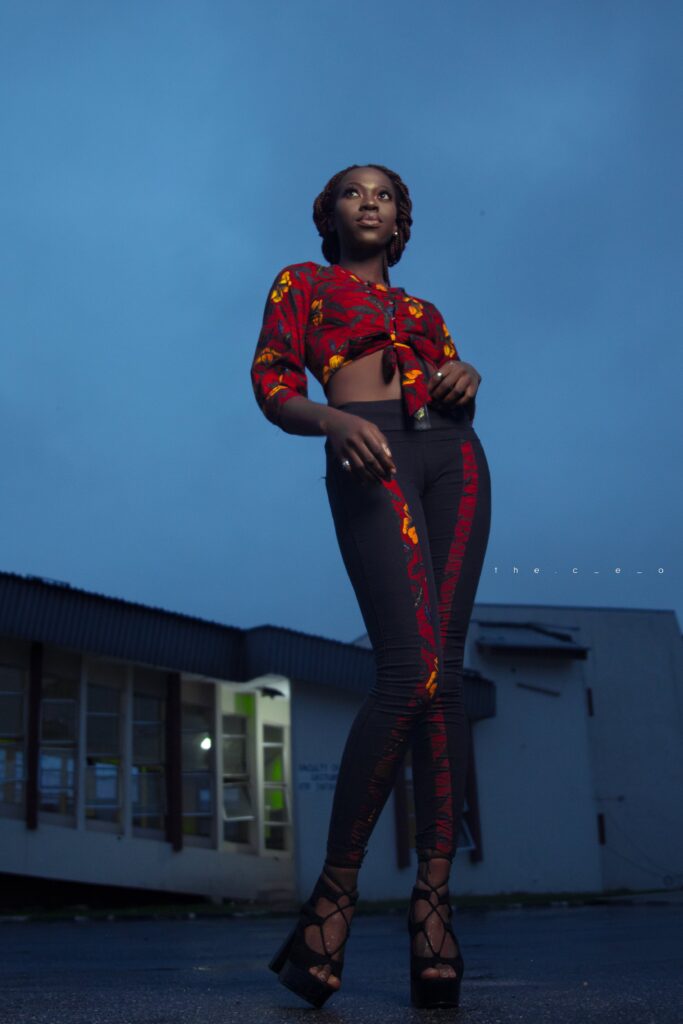
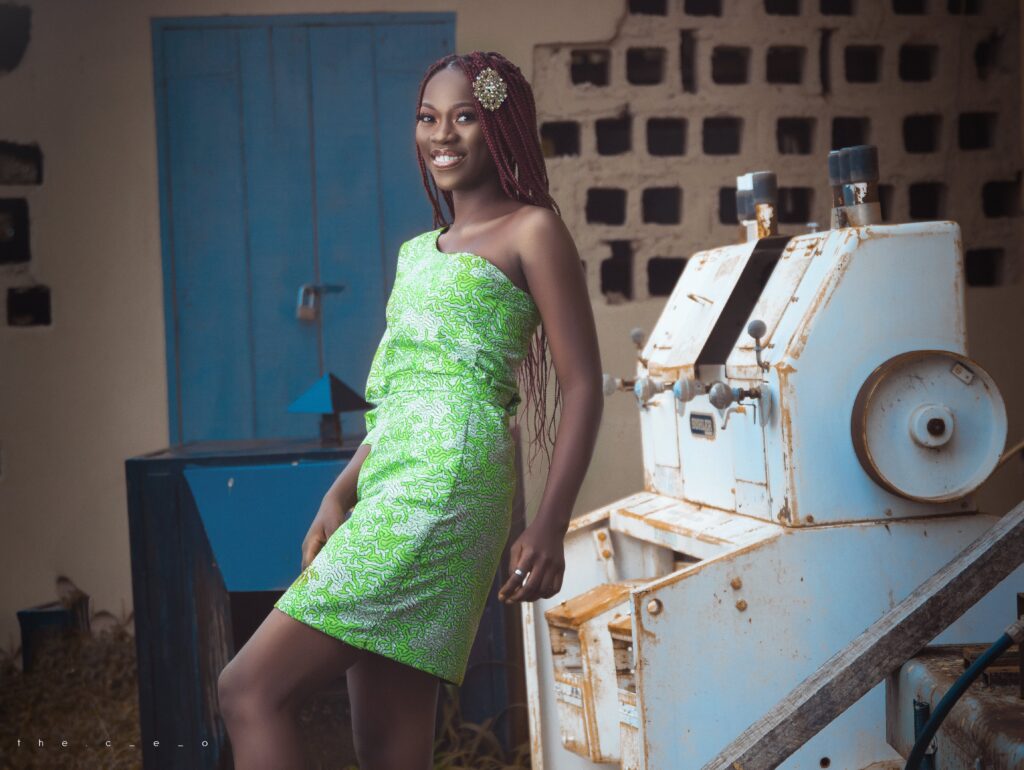
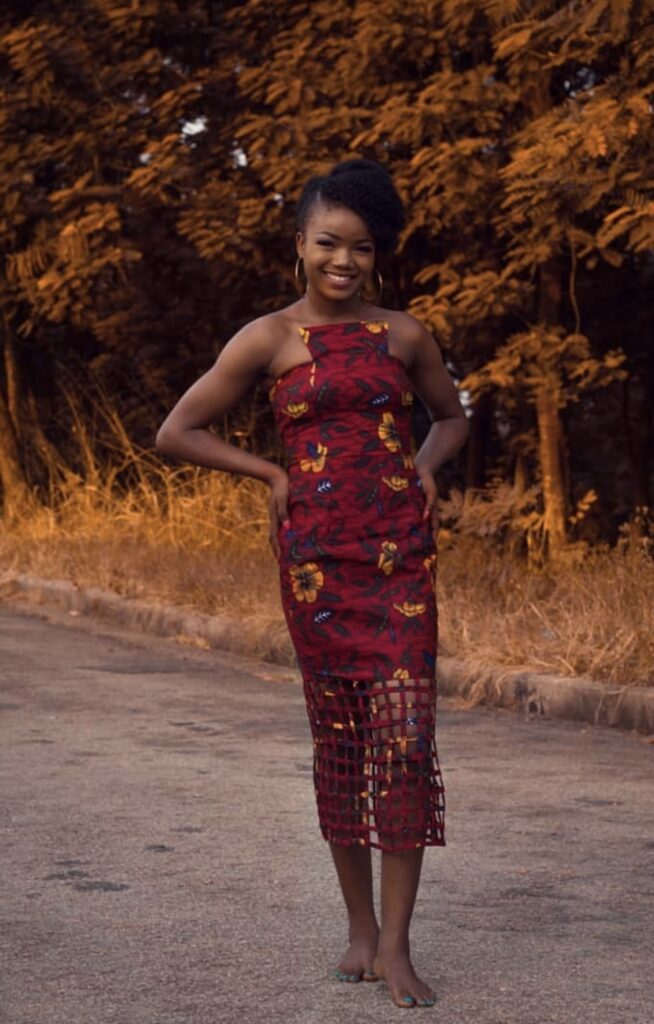
Then came 2018. And my grandmother’s aso oke.
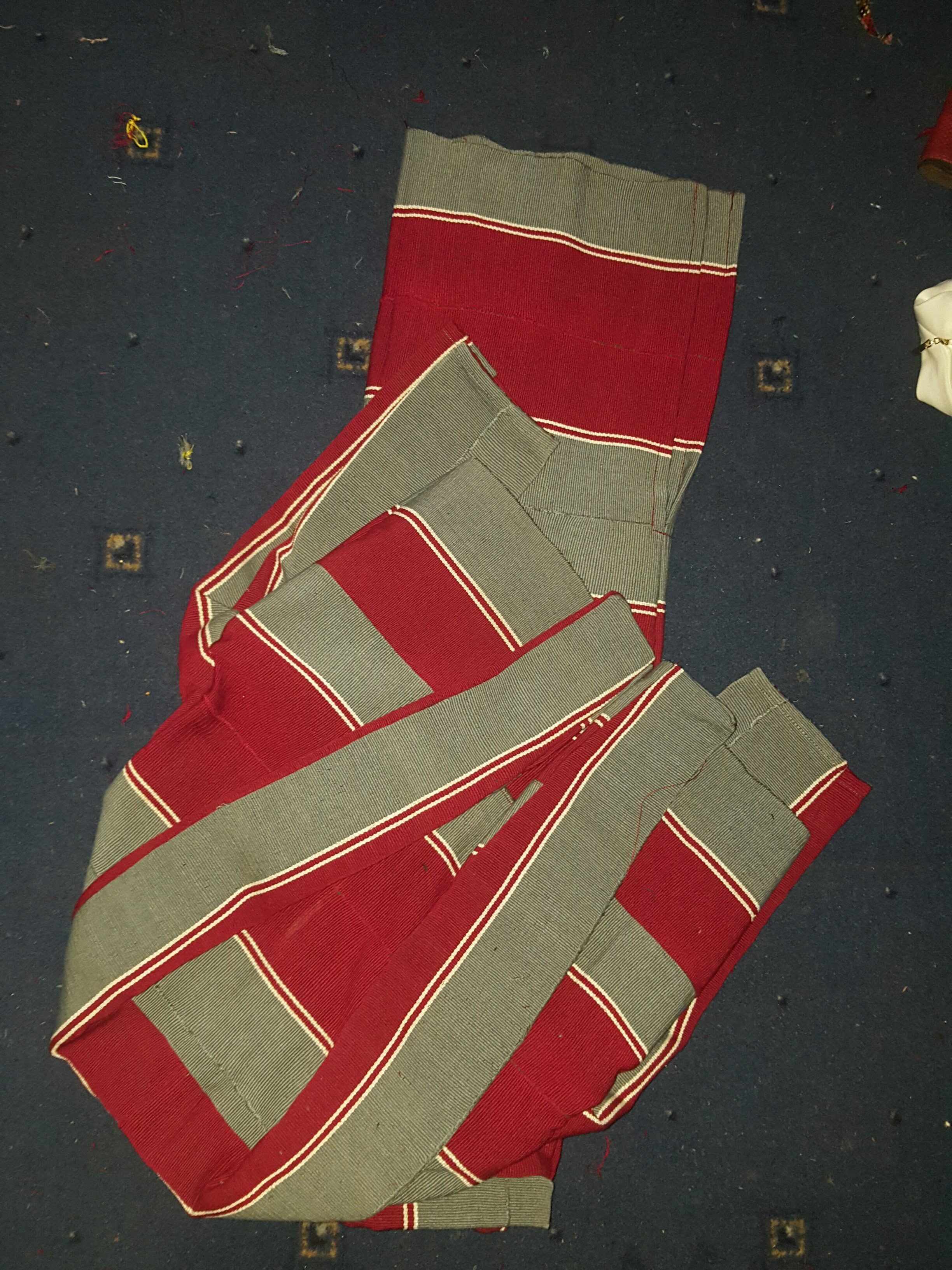
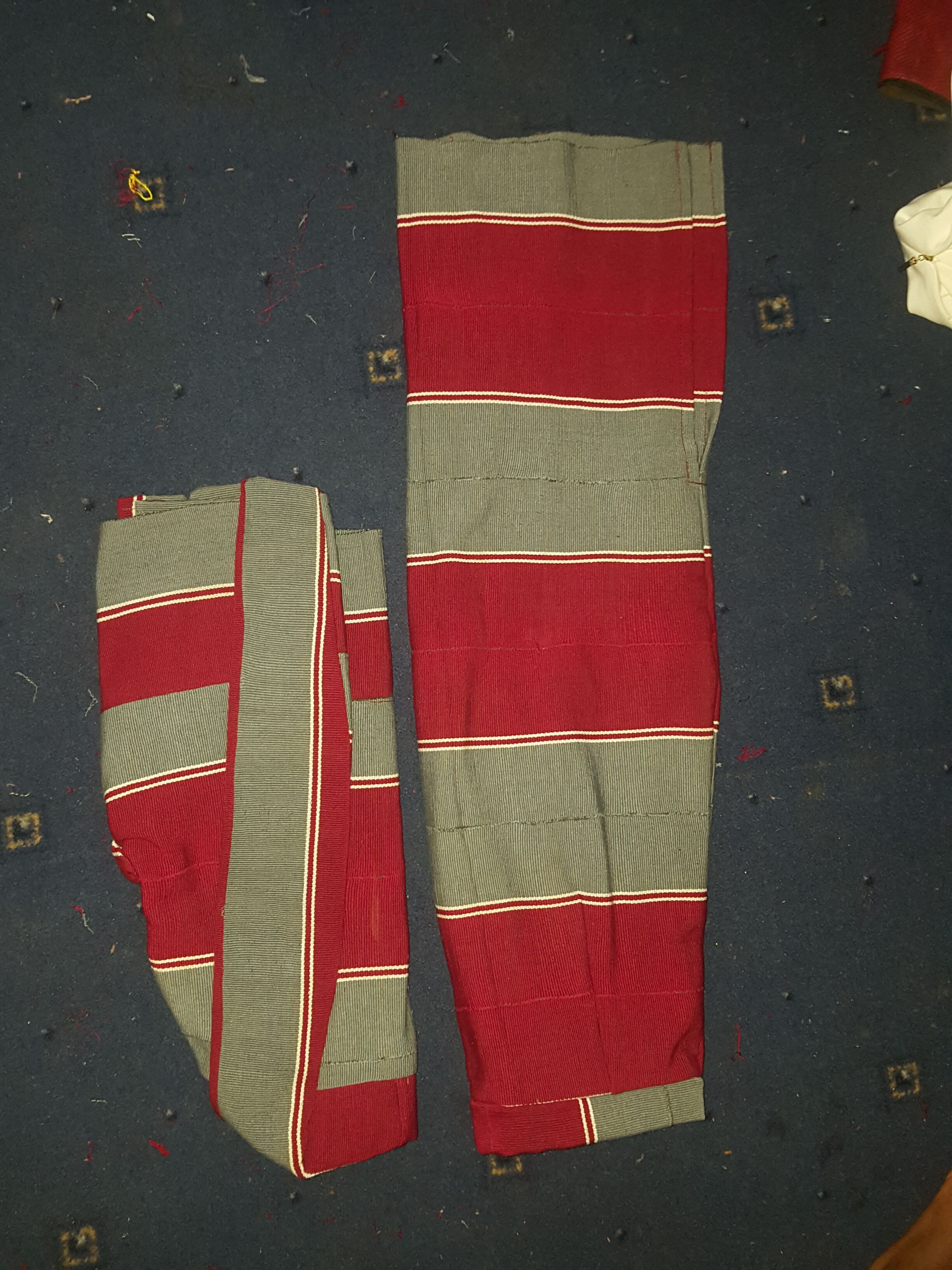
By that point she had been watching my designs and hearing about what I was doing in fashion. Being the fashionista of the family herself, she was very much impressed and decided to hand over to me what every African mother holds as a prized possession: a full set of aso oke, wrappers and head tie. I felt the weight of it immediately.
Not just the physical weight that quality vintage aso oke carries, but the other kind. The kind that comes from knowing a fabric has been present on the most important days of my family’s life. Being handed it just like that felt like stepping into womanhood, joining the league of women who wore it with complete certainty of who they are. You could only imagine what that moment meant to us both and how much she must have trusted me, to hand that to me, because one thing about my grandmother, she does not play about her fashion items especially her fabrics.
But where would a nineteen-year-old girl wear a full set of aso oke wrappers to?
It was going to sit in my wardrobe for years, too sentimental to part with, not functional enough to wear around. So… I cut it. I reworked it. I turned it into something I could wear on an ordinary day without waiting for a ceremony to give me permission, made it into a skirt and a jacket. The first time I stepped out in it, people stopped me. Where is that from? and I oved responding with ‘I made it, From my grandmother’s aso oke’. The look on their faces told me something I hadn’t known how to say out loud yet: this was what I had been moving toward all along. Not just making things. Making things that connected people to where they came from.
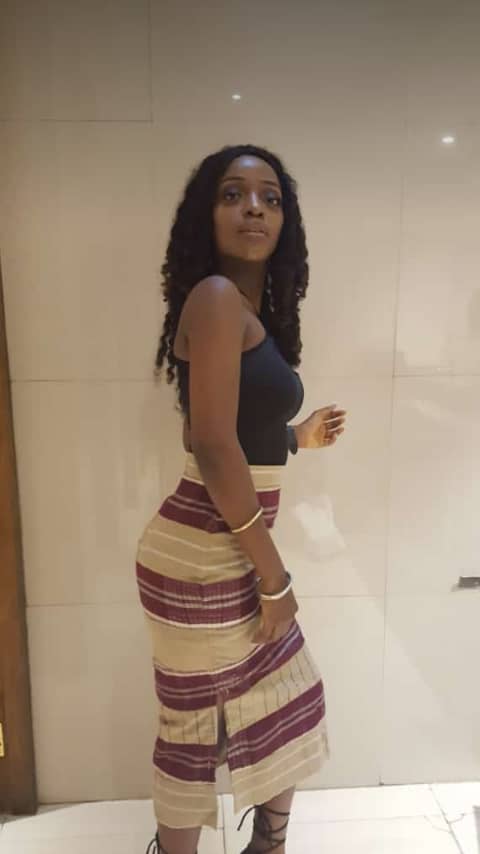
But even after that, it took time.
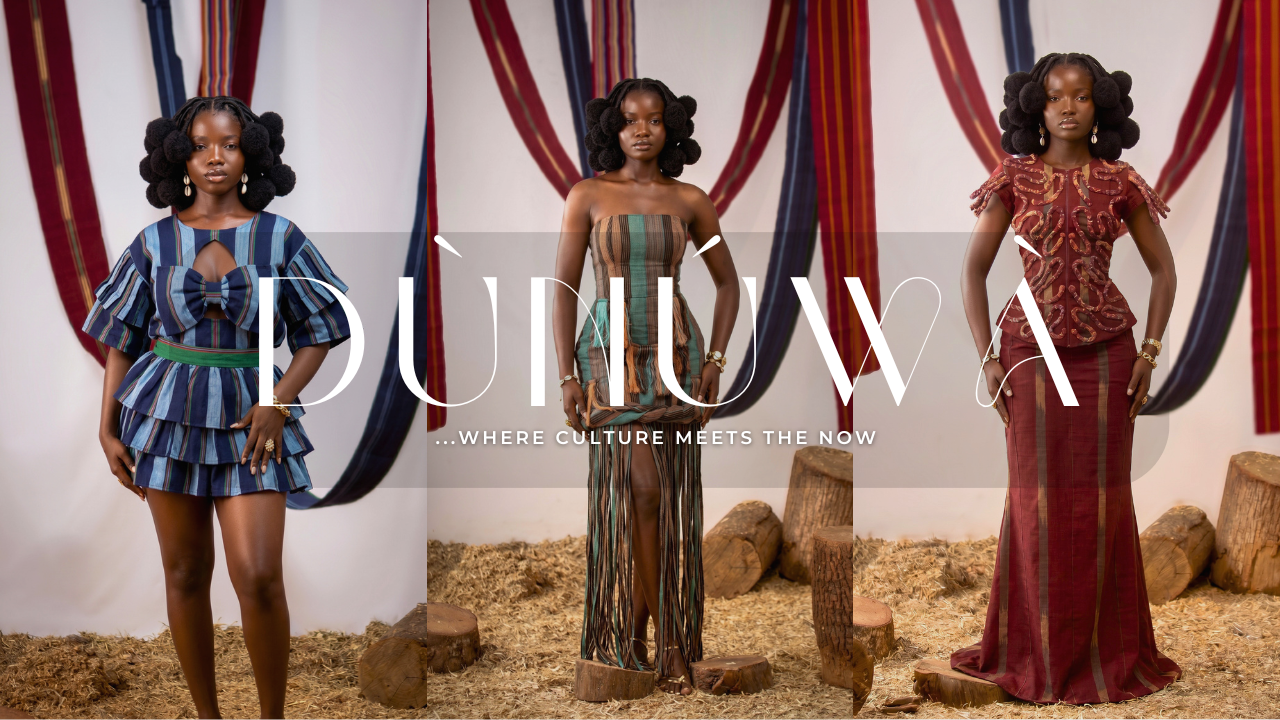
It took years of building, learning, getting clearer, getting more honest with myself about what I actually wanted this to be. The brand kept evolving. My understanding of it kept evolving. And somewhere in that process of getting truly specific about my vision, the fabrics, the customer, the feeling I wanted every piece to create, I realised that Style by Hadassah, which was the name of the brand from 2019 to 2025, was no longer the right name for what this had become. DÙNÚWÀ became DÙNÚWÀ in 2025. Because that’s when I finally knew, not just what I was making, but why. Not just who my customer was, but what I wanted her to feel. Not just which fabrics I loved, but what they meant and why that meaning deserved to be at the centre of everything.
DÙNÚWÀ is a Yoruba word coined from ìdùnú ewà meaning ‘the joy of beauty‘. A feeling I have been chasing since I picked up my first needle and dressed a doll who, for the record, had no idea how lucky she was.
From leather ankara bags in 2016 to a contemporary African fashion house in 2025. The path was not straight. It was not planned. It was curious and chaotic and occasionally very, very lost. But it was always moving toward this. And building something real is never quite finished, which, honestly, is the part I love most.
DÙNÚWÀ — Where culture meets the now. Made in Ibadan, Nigeria. For the world.
written by:
Anjola Oluwamogbiele
Founder DÙNÚWÀ Fashion House, Nigeria.
